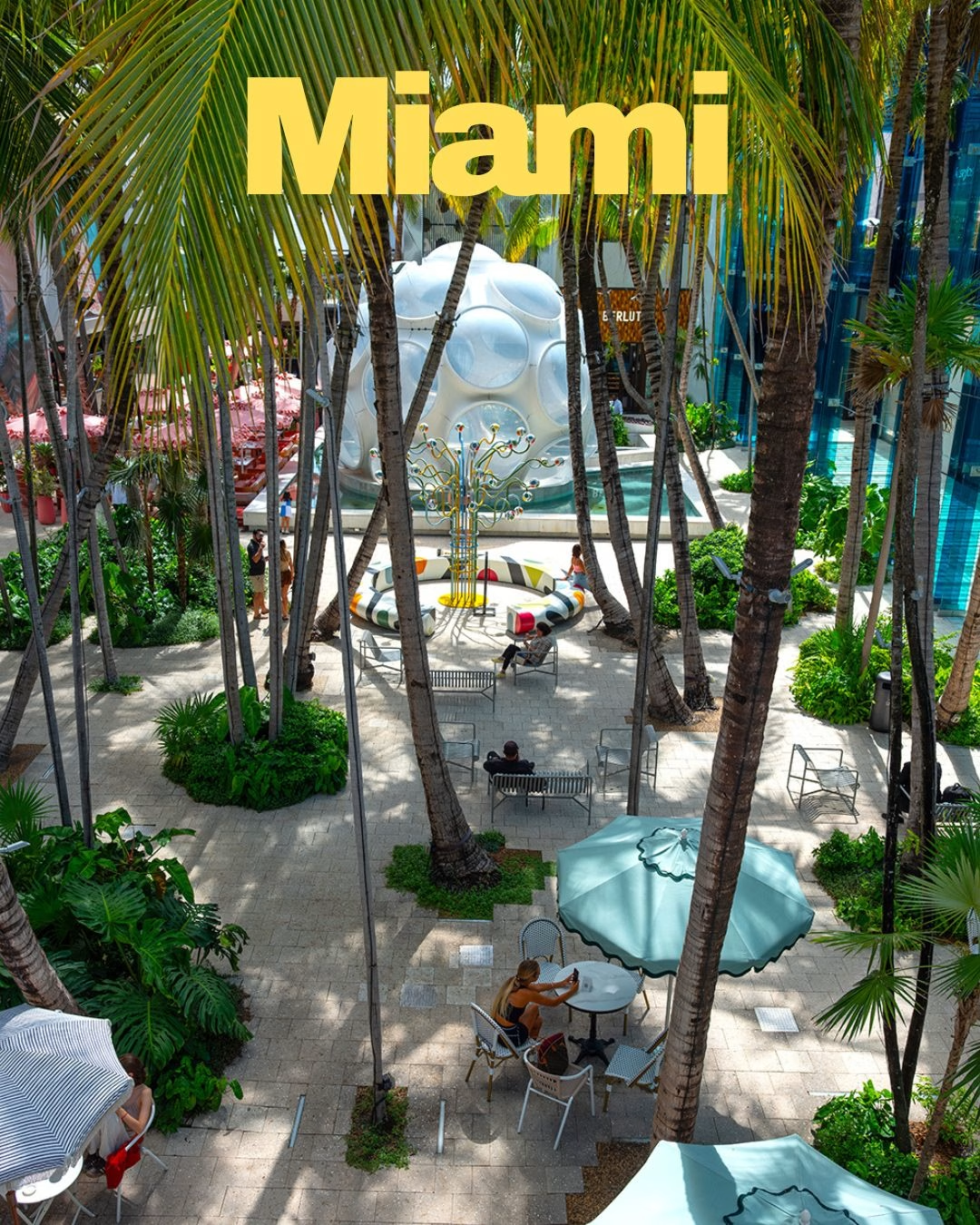
KMP Home Executive Portrait Studio PR Events Travel Blog – New Adventures About Contact KMP Home Executive Portrait Studio PR Events Travel Blog – New Adventures About Contact -blog post- new adventures There are cities you visit for their beaches, and others you visit for their culture. Rarely do you find a destination that offers both in equal measure. Miami is one of those rare places, and nowhere is this more apparent than in South Beach. South Beach Miami, Florida. If you’re dreaming of a getaway, there’s no better place than South Beach, Miami.This sun-soaked neighbourhood is the city’s most famous enclave. This neighbourhood has sun-dappled boulevards, palm-fringed sidewalks, and miles of powdery beaches where the turquoise water glitters in the heat of the day. South Beach isn’t just about sand and surf, though—it’s a neighbourhood that perfectly blends history, culture, and style, making it one of the most exciting corners of this vibrant coastal city. South beach is the gateway to miami With its golden sand, buzzing restaurant nightlife, and world-famous style, this neighbourhood is about stepping into a city within a city. It’s where history, culture, and creativity all meet. Staying here means you’re right in the middle of everything that makes Miami so special and stylishly designed. South Beach is often described as the gateway to Miami, and it’s easy to see why. This iconic neighbourhood delivers an immediate sense of place, where sun-drenched beaches meet a bold, unmistakable Caribbean energy. Miles of golden sand and clear turquoise water set the scene, but the experience goes far beyond the shoreline. South Beach has a rhythm all its own, shaped by decades of style, music, and cultural influence that continue to define Miami’s global image. The Art of vacation With its golden sand, buzzing restaurant nightlife, and world-famous style, this neighbourhood is about stepping into a city within a city. It’s where history, culture, and creativity all meet. Staying here means you’re right in the middle of everything that makes Miami so special and stylishly designed. Where contemporary meets classic What truly sets South Beach apart is how seamlessly it blends old and new. Historic hotels sit alongside contemporary design, while cultural landmarks coexist with cutting-edge fashion and art. Staying here means being immersed in the heart of Miami’s identity, where creativity, diversity, and coastal living come together. From sunrise swims to late-night conversations under neon lights, South Beach offers a complete snapshot of the city—vibrant, expressive, and impossible to ignore. Ocean drive Ocean Drive is just a few steps from the beach. By day, life moves at a relaxed pace—locals and visitors alike drift between beach, café, and boutique. By night, the neighbourhood transforms, with world-class dining, buzzing bars, and legendary nightlife creating an atmosphere that is energetic yet effortlessly cool. Walking through the area, you’re surrounded by Art Deco architecture, pastel façades, and palm-lined streets that reflect the city’s rich history and creative spirit. Art Deco To walk down Ocean Drive feels Cinematic, like you are stepping onto a 1930’s movie set. The reason for this is after the great hurricane of 1926, that devastated the Greater Miami area of Florida and caused catastrophic damage in the Bahamas and the U.S. Gulf Coast, Miami Beach reinvented itself with a brand-new look, embracing Art Deco design in the 1930s and 40s. Today, South Beach is home to the largest collection of Art Deco buildings in the world, and they’re not just museums —you can actually stay in them. This Art Deco architectural signature is instantly recognisable—pastel façades adorned with sleek lines and geometric curves, glowing neon by night and bathed in golden sunlight by day. a Pastel Paridise Glam Miami To stay here is to live inside history, albeit with all the modern luxuries one might expect all wrapped in old-school glamour.Boutique hotels with rooftop pools, chef-driven restaurants serving inventive cuisine, and cocktail bars where the evenings stretch effortlessly into the early hours. Exploring South Beach is a perfect blend South Beach is a perfect blend Of tropical bliss and glamour.It offers the kind of tropical blend that most travellers dream about: with sun-drenched beaches, chef run restaurants and a nightlife that sparkles after dark. Walkable Neighbourhoods, Oceanfront Parks & Local Boutiques What keeps South Beach from feeling like one big resort is it has walkable streets, oceanfront parks, cafes, and thriving boutique local businesses that make it more than just a tourist playground. These everyday elements turn it into a neighbourhood as much as a destination — a place where residents and repeat visitors mingle with tourists, giving the area texture and authenticity. We found while we were staying in South Beach, that many Americans choose South Beach for “Staycations” just because of Miami’s cosmopolitan allure. It’s compact enough for a spontaneous break, yet complete enough to feel like a proper escape — sun, sand, food and culture all within easy reach. Downtown Miami — Where Business Meets Leisure South Beach sets the tone for Miami’s cosmopolitan life style, but it is just the beginning of the story. Cross the causeway and the energy shifts: Downtown Miami the waterfront skyline speaks to a different ambition.Here, glass towers rise dramatically over Biscayne Bay, a symbol of Miami’s ambition as a global coastal city. Here business blends seamlessly with leisure — the Downtown area of Miami, embodies a different kind of luxury, with rooftop lounges, Michelin-calibre restaurants, and cultural institutions sit beside offices and conference hubs, signalling Miami’s emergence as a global coastal city. It’s a place where art collectors, entrepreneurs, and travellers mingle, and where Miami begins to show its identity not just as a resort town, but as a liveable city with global aspirations. next level Miami Here business blends seamlessly with leisure — the Downtown area of Miami, embodies a different kind of luxury, with rooftop lounges, Michelin-calibre restaurants, and cultural institutions sit beside offices and conference hubs, signalling Miami’s emergence as a